
April 2, 2026
If you want your first property in Lansing to do more than just give you a place to live, house hacking is worth a serious look. For many buyers, the appeal is simple: live in one unit, rent the other space, and use that income to help cover your monthly housing costs. If you are curious about duplexes, small multifamily properties, or even an ADU setup, this guide will help you understand the basics in Lansing and what to check before you make a move. Let’s dive in.
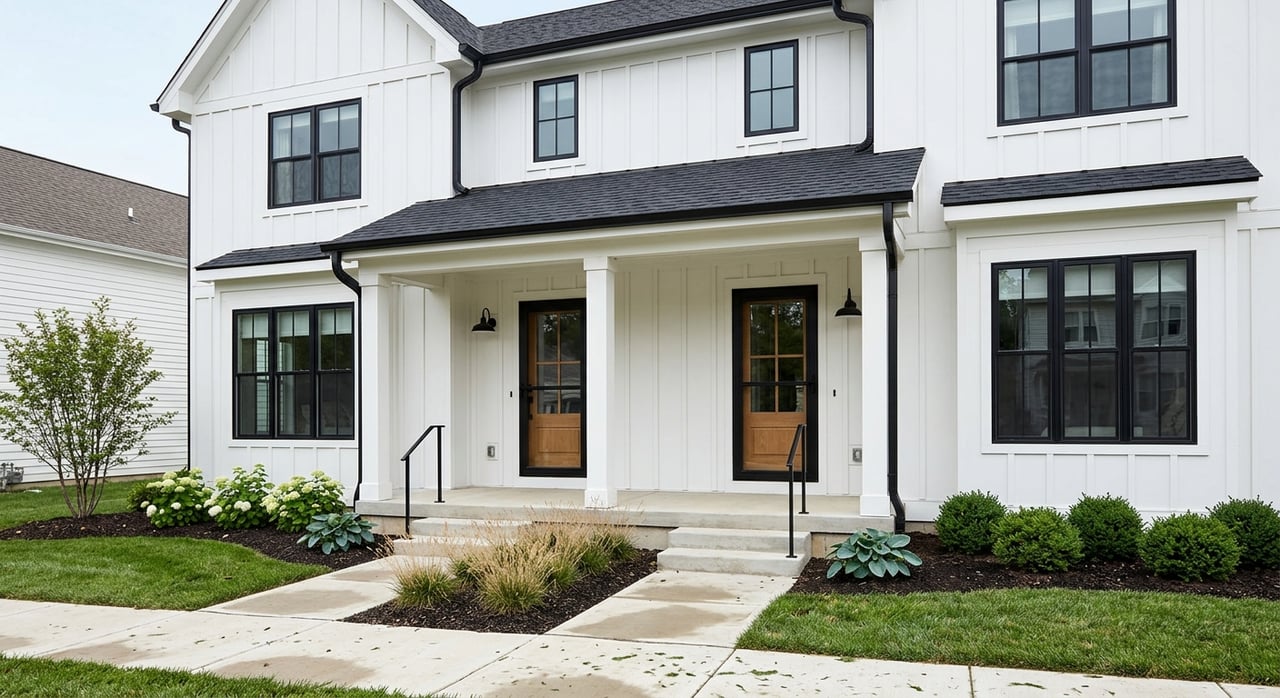
In Lansing, house hacking usually means buying a duplex, triplex, fourplex, or a single-family home with an accessory dwelling unit, then living in one unit while renting out the others. The goal is to reduce your out-of-pocket housing expense while building equity in a property you occupy.
That owner-occupant piece matters. According to HUD’s FHA 203(b) program rules, eligible principal residences can include one-to-four unit properties, and at least one borrower must move in within 60 days and stay for at least one year. That does not guarantee loan approval, but it helps explain why house hacking is often discussed as an entry point for buyers who want to combine a home purchase with rental income.
Before you look at listings, it helps to understand the local numbers. Zillow’s Lansing home value data shows an average home value of $158,070 and a median sale price of $165,467.
For small multifamily properties, the market can look different. Current listing data referenced in the research report shows Lansing multi-family listings with a median listing price of $205,000, with active examples ranging from about $90,000 to $1.05 million. That wide spread is a good reminder that condition, size, unit mix, and location can change the math quickly.
On the rent side, benchmarks also vary by source. Apartments.com Lansing rent trends show average rents around $1,012 for one-bedroom units, $1,239 for two-bedroom units, and $1,530 for three-bedroom units, while Zillow shows an average Lansing rent of $1,283.
If you want a more conservative lens, the research report recommends using the 2025 Ingham County fair market rent figures through MSHDA: $1,012 for a one-bedroom, $1,268 for a two-bedroom, $1,627 for a three-bedroom, and $1,679 for a four-bedroom. For buyers trying to estimate whether rent might offset a mortgage, conservative underwriting is usually the smarter place to start.
These are the most common house hacking setups because the concept is straightforward. You live in one unit and lease the others, which can make the property easier to analyze from both a financing and monthly budget standpoint.
A small multifamily can also give you cleaner separation between your living space and your tenants. That matters if you want some privacy while still keeping a close eye on repairs, turnover, and day-to-day property management.
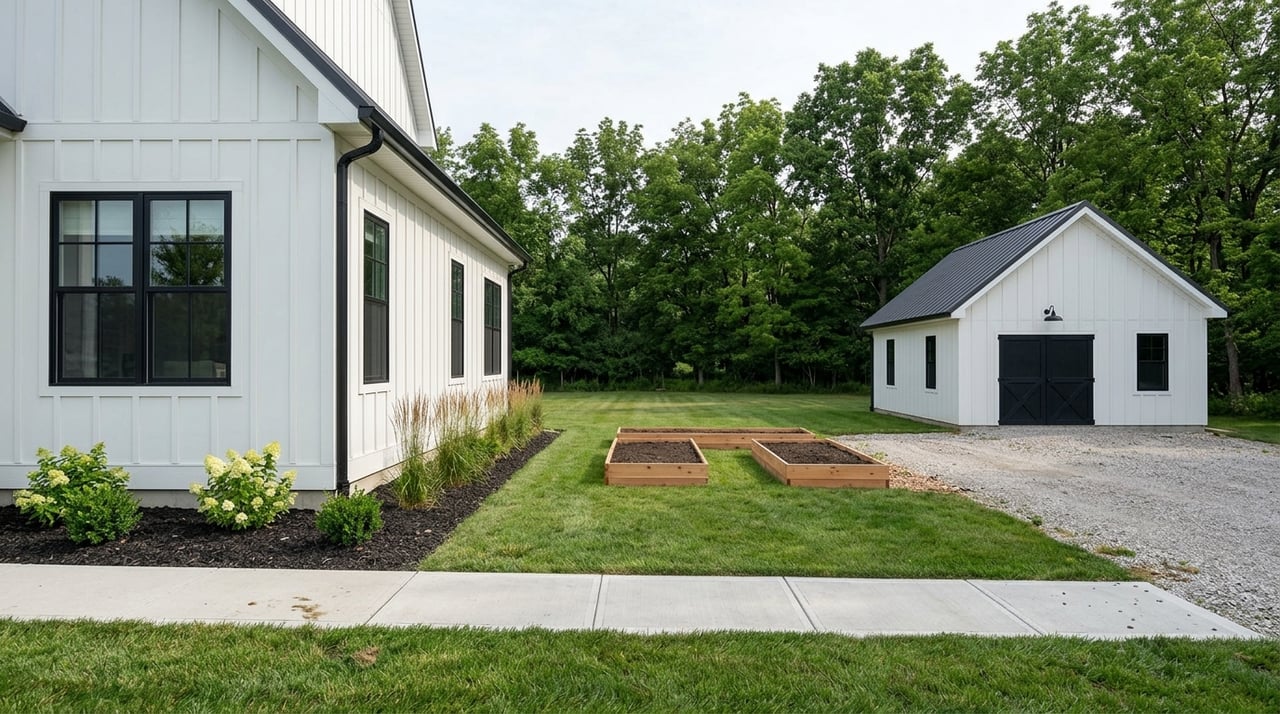
An accessory dwelling unit can be another option in Lansing, but it comes with more zoning and compliance details. In general, this setup means a single-family home has a separate smaller residential unit on the same lot, often in a detached structure or accessory building.
For some buyers, an ADU arrangement feels more flexible than sharing walls in a duplex. For others, it may require more upfront research because lot size, placement, parking, and licensing rules are very specific.
Lansing’s current ADU ordinance allows one detached ADU on lots with an existing single-family principal dwelling in the R-1, R-2, R-3, R-MX, and DT-1 zoning districts. According to the city ordinance document, the ADU must be in the rear yard or inside an accessory building, must be between 400 and 1,000 square feet, and can have no more than two bedrooms.
The same ordinance says the property must include one additional parking space. It also states that if either the ADU or the main dwelling is leased, the property must remain owner-occupied.
There are minimum lot sizes too. The ordinance lists 7,500 square feet in R-1 and 6,000 square feet in R-2, R-3, R-MX, and DT-1.
Just as important, any leased unit must be registered and properly licensed with the city’s Code Compliance Office. In other words, buying a property that looks like a good ADU candidate is not the same thing as confirming it is ready to be legally rented.
One of the biggest mistakes buyers make is assuming that because a property looks like a duplex, carriage house, or rental setup, it is automatically compliant. In Lansing, address-specific research is part of the normal process.
The city maintains parcel-level zoning records and official maps, and the research report notes that these records include parcel addresses and zoning information. That means you should verify each property individually before assuming a duplex use or ADU setup is permitted for that address.
This is where working with a local agent can save time and reduce surprises. Instead of falling in love with a concept first, you want to confirm zoning, use, registration, licensing needs, and the property’s physical setup as early as possible.
In a house hack, location affects both your daily life and your rental strategy. You are not just choosing where to live. You are also choosing where future tenants may want to rent.
The research report points to an important local detail: Michigan State University is in East Lansing, about three miles from Lansing. It also identifies downtown Lansing subareas such as Washington Square, the Stadium District, Old Town, REO Town, and the Michigan Avenue corridor as core downtown areas.
Current listings often highlight access to MSU, downtown Lansing, Frandor, UM Sparrow Hospital, or major employers. That location-focused marketing suggests that east-side, Old Town, Groesbeck, and downtown-adjacent properties may draw stronger renter interest, though that is not the same as a guaranteed rent premium.
The practical takeaway is simple: convenience tends to matter. When you compare properties, think about commute patterns, access to major destinations, and the kind of rental layout that would make sense in that part of Lansing.
This is one of the first questions most buyers ask, and it is the right question. The honest answer is: sometimes, but it depends on the property and your numbers.
You need to compare likely rent against the full cost of ownership, not just principal and interest. That includes taxes, insurance, maintenance, vacancy risk, and any utility costs you may cover.
A good first-pass estimate might include:
Because rental benchmarks vary, it often makes sense to underwrite conservatively. If the deal only works with very optimistic rent assumptions, it may not be the right fit.
The numbers matter, but so does your personality. House hacking is not passive if you are living on-site.
As the research report notes, Michigan landlords must keep rental homes in good repair, and Michigan Legal Help outlines landlord responsibilities. If you buy a house hack, you are taking on real obligations related to maintenance, repairs, and the overall condition of the rental space.
That means you should ask yourself some honest questions:
For the right buyer, these tradeoffs are manageable and worthwhile. For others, a traditional single-family home may be a better fit.
If you are considering this path, keep your early due diligence focused on a few key questions.
Confirm whether the parcel zoning supports the property’s current or intended setup. That is especially important for ADUs and properties marketed with flexible income potential.
Use current local benchmarks and stay conservative. Treat listing-based rent claims as examples, not guarantees.
If a unit will be leased, make sure you understand Lansing’s registration and licensing requirements before closing.
Think beyond spreadsheets. Privacy, parking, storage, entrances, and sound separation all affect how livable the property will feel.
Even a great property can feel stressful if the management side does not match your lifestyle. Be realistic about how involved you want to be.
If you are exploring house hacking in Lansing, local guidance matters. You want someone who can help you evaluate not just price and location, but also zoning questions, property condition, and whether a layout truly works for owner-occupant living.
With strong Greater Lansing roots, MSU-area knowledge, and hands-on construction experience, Nicolette Williams can help you sort through the practical side of buying a duplex, small multifamily property, or single-family home with ADU potential. If you want a clear plan and personalized advice, Schedule a Free Consultation and start with a strategy that fits your goals.
Stay up to date on the latest real estate trends.
Call Nicolette to start the conversation today.