
February 19, 2026
Thinking about building a new home in Okemos but not sure where to start? Between zoning checks, permits, utilities, and builder contracts, the process can feel complex. You want a clear plan, realistic timelines, and a local roadmap you can trust. This guide walks you through each stage in Meridian Charter Township so you can move from lot to keys with confidence. Let’s dive in.
Choosing the right lot is the foundation of a smooth build. A little early research can save you months later.
Before you sign a lot contract, verify the property’s zoning, permitted uses, setbacks, and any special overlays with Meridian Township Planning and Zoning. Start with the Township’s Community Planning and Development resources to confirm rules and check the Township GIS for boundaries or mapped features that may affect your plan. Use county drain resources to identify any drainage corridors or potential wetland indicators on or near the site. Review the Township’s planning pages for guidance and contacts at the start of your search.
If the lot is not on public water or sewer, plan for a soils evaluation and coordinate with Ingham County Environmental Health. A site visit and test pits help determine if a standard or engineered system is required. The county often needs an approved septic permit before final approvals or permanent power can be authorized.
Ask for a current boundary survey. If the site has slopes or drainage concerns, add topography. For suspected poor soils, schedule test pits before you finalize a purchase. Review title documents for recorded easements, HOA covenants, and driveway access rules so you understand what you can build and where.
Your loan structure shapes cash flow during construction and at closing.
Most buyers choose either a construction-only loan with two closings or a construction-to-permanent loan with one closing that converts to a standard mortgage after the build. With either option, expect draw inspections at milestones, interest-only payments during construction, and documentation requirements from your lender.
Lenders typically release funds in stages tied to inspections, like foundation, framing, mechanicals, and final. Ask your lender to outline the number of draws, the inspection timeline, and required lien waivers. Build these checkpoints into your schedule to avoid delays.
Clarity at contract saves money and stress later.
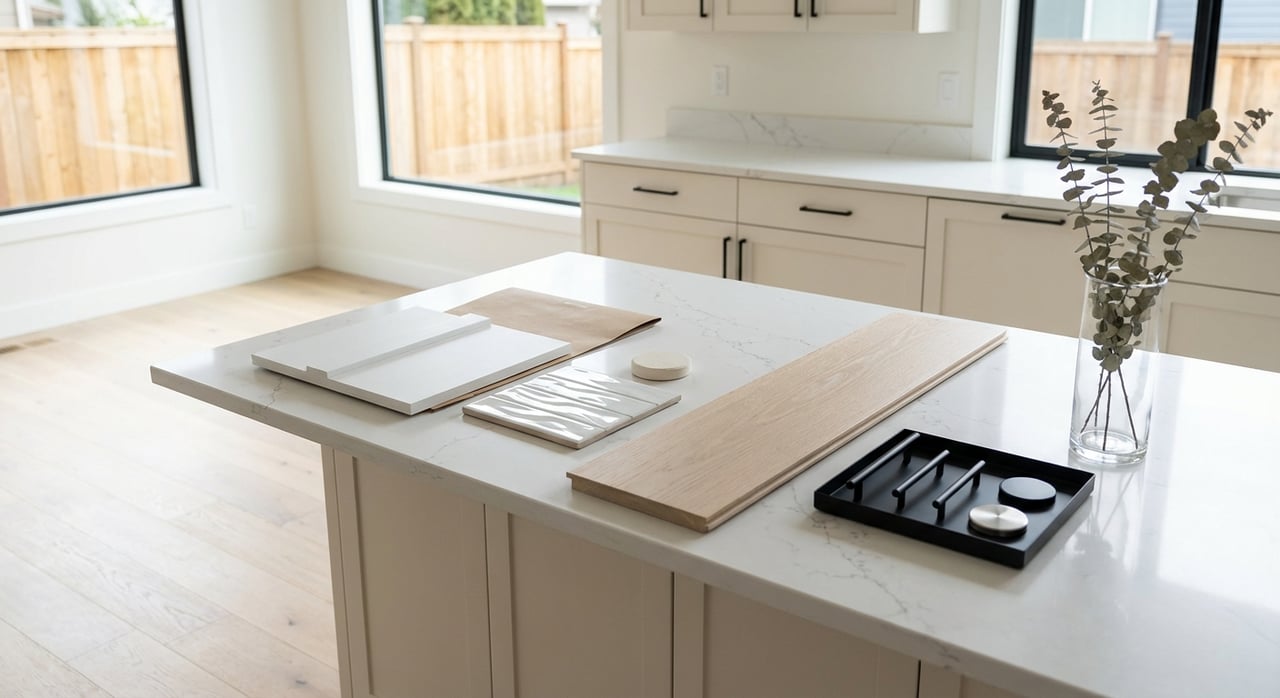
Most builder contracts include allowances for finishes such as cabinets, countertops, flooring, fixtures, appliances, and exterior materials. Insist on itemized allowances by category, brands or quality levels included, and deadlines for your selections. Plan around long-lead items like stone and appliances so your schedule stays on track.
Require written, signed change orders that list any added cost and time impact. For peace of mind after closing, many builders enroll homes in third-party 1-2-10 warranty programs, which often cover workmanship for one year, distribution systems for two years, and qualifying structural defects for ten years. Confirm who administers warranty claims and how to submit requests.
Meridian Township and Ingham County coordinate several reviews before and during construction. Starting early helps keep your build moving.
A pre-application meeting with Meridian Planning staff is recommended, especially if your project involves unique site features or a complex layout. Formal site plan review is usually required for subdivisions, multi-family, or non-single-family projects. The Township code outlines site plan steps and timing, including deadlines tied to any approvals.
Submit a complete plan set to the Meridian Building Division for your residential building permit. Townships often require separate trade permits for electrical, plumbing, and mechanical. Meridian publishes permit applications, checklists, and a fee schedule, so confirm current requirements and costs before you submit.
Meridian’s Department of Public Works reviews water and sewer service connections and inspects work in the right-of-way. If your site drains to a county drain or needs erosion controls, the Ingham County Drain Commissioner typically reviews stormwater plans and SESC measures. Coordinate these reviews in parallel with your building permit where possible.
If your lot fronts a county or state road, plan for additional driveway or right-of-way permits through the Road Commission or MDOT. Ask your builder and civil designer to flag this early so access permits do not hold up your schedule.
Utility coordination often takes longer than you think. Start early and track each step.
Michigan law requires you to contact MISS DIG before any digging. Call 811 or submit through the portal at least three business days in advance so underground utilities can be marked. Keep the locate ticket number on hand while work is active.
Consumers Energy handles new electric and gas services, including service drops, underground feeds, or pole relocations. Large extensions or new transformers can add time and cost. Decide who pays for utility work in your contract and request service designs early.
Across Michigan, a typical inspection sequence includes footings and foundation, undergrounds, framing, rough-in for trades, insulation and energy checks, then final mechanical, electrical, plumbing, and building inspections. Plan for each inspection on your construction calendar. A Certificate of Occupancy is required before you can legally move in, so make sure all finals are passed and any outstanding items are closed out.
Timelines vary by lot conditions, design complexity, and the season you start. Here is a practical rule of thumb for Meridian Township and Mid-Michigan:
Pre-contract due diligence: 2 to 8 weeks. Complex sites, wet areas, or variances can take longer.
Permitting and plan review: about 2 to 8 weeks for a straightforward single-family home once your application is complete. Discretionary site reviews add months.
Construction to Certificate of Occupancy: plan for about 7 to 12 months. National data suggests 8 to 10 months for many single-family builds once construction starts. Add a 20 to 30 percent time buffer to cover weather, backorders, or utility scheduling.
See national build-time context: How long it takes to build a house
A few site and service issues can add surprise time and cost. Watch for these early:
Use this to keep momentum from lot search to closing:
Building in Okemos can be straightforward when you have a local roadmap, a detailed contract, and the right partners. If you want expert guidance from lot selection through final walk-through, connect with a local agent who has hands-on new-construction experience. To map your timeline, review your lot options, or pressure-test your builder contract, reach out to Nicolette Williams. Schedule a Free Consultation.
Stay up to date on the latest real estate trends.
Call Nicolette to start the conversation today.